
In the face of increasing climate unpredictability and prolonged dry spells, farmers and gardeners alike are turning to time-tested, sustainable practices that help conserve water, improve soil health, and ensure better crop yields. One of the most effective and accessible of these methods is mulching.
At Vayonadha, where sustainability meets innovation, we champion agricultural techniques that empower both smallholder farmers and large-scale cultivators to thrive under challenging conditions. Among these, mulching stands out for its simplicity, versatility, and profound impact on drought resilience.
What is Mulching?
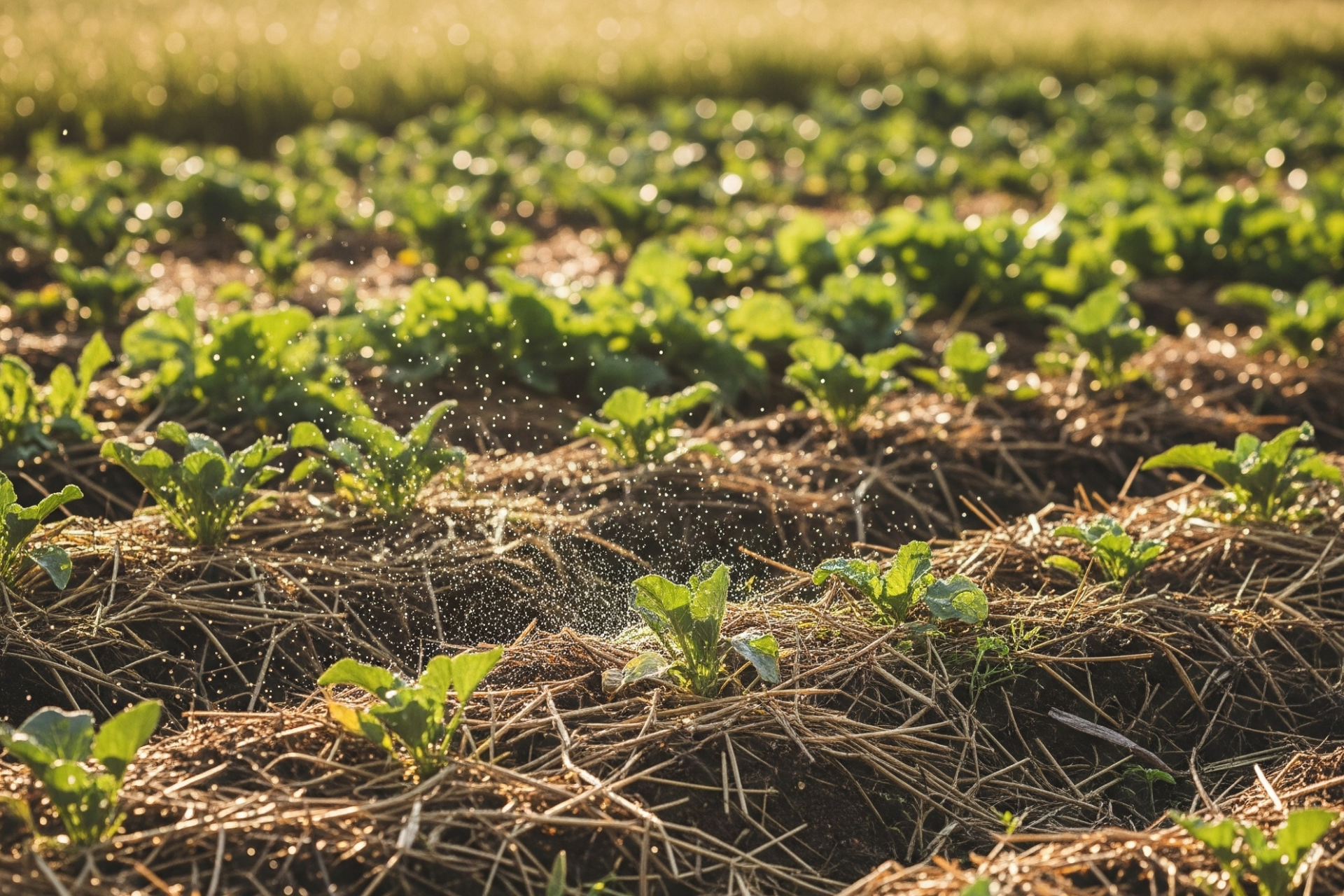
Mulching is the process of covering the soil surface around plants with a layer of material—either organic (like straw, compost, or bark) or inorganic (like plastic sheeting or gravel). This protective layer helps reduce moisture evaporation, suppress weeds, regulate soil temperature, and even improve soil fertility over time.
While it might sound simple, the effects of mulching are anything but ordinary.
Key Benefits of Mulching
- Moisture Retention
In drought-prone areas, every drop of water counts. Mulch acts as a barrier that slows down the evaporation of water from the soil, allowing crops to access moisture for longer periods. This means less frequent irrigation and a more sustainable use of water resources.
- Weed Suppression
Weeds not only compete with crops for nutrients but also for precious water. Mulching blocks sunlight, reducing weed growth significantly, which translates into less labor and better water availability for your main crops.
- Temperature Regulation
Mulch acts like a blanket, insulating the soil. In summer, it keeps roots cool and reduces heat stress. In colder months, it retains warmth, allowing for longer growing seasons or winter crop protection.
- Soil Health Enhancement
Organic mulches gradually decompose, enriching the soil with nutrients and fostering microbial life. This natural enrichment can reduce the need for synthetic fertilizers and build soil structure over time.
- Erosion Control
In regions with heavy winds or rains, bare soil is vulnerable to erosion. Mulch protects the soil surface, keeping it intact and preserving valuable topsoil.
Organic vs. Inorganic Mulch: What to Choose?
At Vyonadha, we always recommend prioritizing organic mulches for their ecological benefits and long-term impact on soil health.
Organic Mulches:
- Straw: Light and easy to apply; great for vegetable gardens.
- Wood Chips/Bark: Long-lasting and aesthetically pleasing; ideal for orchards and landscaping.
- Compost: Nutrient-rich and excellent for soil building.
- Grass Clippings: A free and readily available option, though best used in thin layers.
Inorganic Mulches:
- Plastic Sheeting: Common in commercial agriculture; highly effective for moisture retention but lacks soil-enriching properties.
- Landscape Fabric: Useful for perennial beds but should be paired with organic top layers for aesthetics and added benefit.
- Gravel: Best for xeriscaping or areas where long-term soil cover is needed.
Global Case Studies: Mulching in Action
-
India: Mulching in Maharashtra’s Drought Belt
In the drought-prone Vidarbha region of Maharashtra, farmers have successfully adopted sugarcane trash and banana leaves as mulch materials. The Krishi Vigyan Kendras (KVKs) report up to 30% water savings and increased soil moisture retention, leading to better yields in cotton and pulses. This locally available, low-cost strategy has improved livelihoods while conserving water.
-
Kenya: Mulching in Smallholder Vegetable Farming
In parts of Kenya’s semi-arid zones, small-scale vegetable farmers use dry grass and maize stalks for mulching. According to the Kenya Agricultural & Livestock Research Organization (KALRO), mulching has reduced irrigation frequency by half during dry seasons, leading to healthier crops and significant labor savings.
-
Australia: Organic Mulching in Vineyards
Australian vineyards, especially in South Australia, have embraced organic mulches like straw and wood chips to combat rising temperatures and decreasing rainfall. Wine producers in the Barossa Valley report improved soil health and vine resilience during heatwaves. Some estates have even achieved certified organic status, thanks to their sustainable mulching practices.
-
United States: Plastic Mulching in Commercial Farming
In California’s Central Valley, large-scale commercial farms utilize plastic mulch for crops like tomatoes and strawberries. This technique reduces evaporation and weeds but is also integrated with drip irrigation for maximum efficiency. The challenge lies in balancing environmental impact with productivity—many farms now explore biodegradable plastic mulches as an eco-friendlier alternative.
Expert Tips from the Field
We asked agricultural experts and Vyonadha partners about best practices in mulching. Here’s what they shared:
Dr. Anju Ramesh, Soil Scientist
“Always apply mulch after watering your soil. This locks in the moisture and enhances the effectiveness. Avoid piling mulch against plant stems—it can cause rot.”
Rajesh Nair, Organic Farmer, Kerala
“I use a mix of coconut husk and green manure as mulch. It improves moisture retention and nourishes the soil as it breaks down. Plus, it’s free and readily available here.”
Vayonadha Advisory Tip
In tropical or monsoon climates like Kerala, ensure that organic mulches are not too thick during the rainy season to avoid fungal issues. A 2–3 cm layer is usually sufficient.
Implementing Mulching on Your Farm
Whether you’re managing a small garden or a 100-acre farm, here’s a basic guide to start mulching:
- Clear the Area: Remove existing weeds and loosen the topsoil.
- Water the Soil: Ensure the soil is moist before mulching.
- Apply the Mulch: Spread your chosen material evenly, keeping it a few centimeters away from the base of plants.
- Monitor & Replenish: Organic mulches decompose; top them up as needed.
A Path Toward Resilient Agriculture
Mulching is more than just a technique—it’s a philosophy of working with nature rather than against it. In an era where climate change challenges traditional farming methods, such sustainable solutions are essential for long-term food security and ecological balance.
At Vayonadha, we believe in empowering farmers with the knowledge and tools to thrive despite climate challenges. Whether you are looking to conserve water, improve soil fertility, or reduce chemical inputs, mulching is a step in the right direction.
Join the Conversation
Are you practicing mulching on your farm or garden? Share your experiences, photos, or tips with the Vayonadha community. Let’s build a more sustainable future—one layer of mulch at a time