

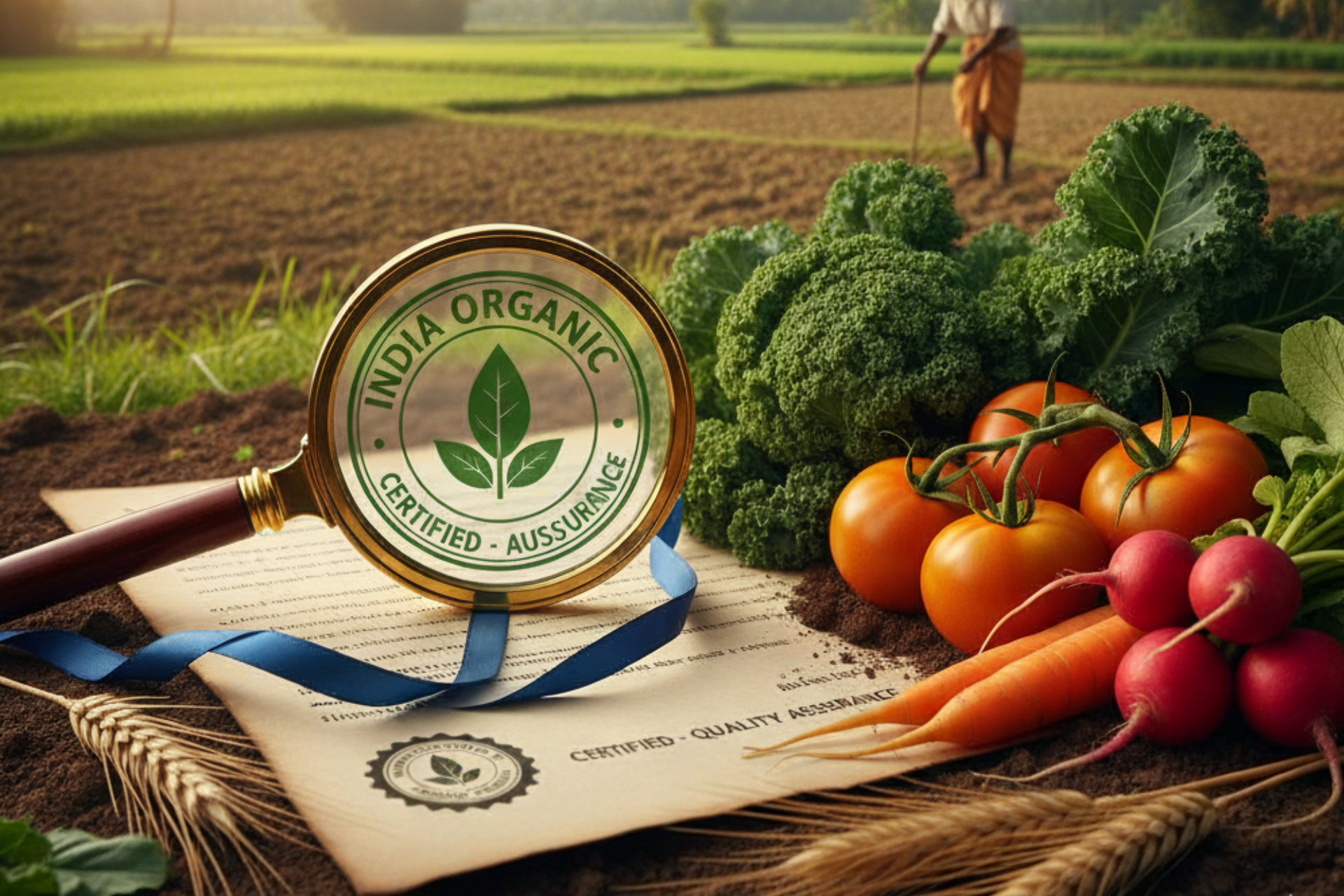
In recent developments, the Agricultural and Processed Food Products Export Development Authority (APEDA) has taken significant action against six organic certification bodies, suspending their accreditation and imposing penalties due to non-compliance with regulations. This move underscores the importance of transparency and credibility in the organic certification process, which has been a matter of growing concern in the agricultural sector. For businesses and farmers involved in organic farming, this action raises several questions about certification practices, quality assurance, and the future of organic agriculture in India.
The Role of Organic Certification Bodies
Organic certification bodies play a crucial role in ensuring that products marketed as “organic” meet the necessary standards set by regulatory authorities. These standards encompass everything from the use of synthetic chemicals and pesticides to the soil quality and farming methods. Certification bodies verify and audit organic farms and food products, providing consumers with a guarantee of authenticity.
For farmers, obtaining organic certification is essential to access national and international markets. It acts as a trust signal to consumers, ensuring that the food they consume is grown sustainably and without harmful chemicals. However, this trust is increasingly being challenged by lapses in certification processes, as evidenced by APEDA’s recent actions.
Why the Suspension of Certification Bodies Matters
The suspension of accreditation and imposition of penalties is a wake-up call for the organic certification industry. APEDA’s actions are intended to reinforce the integrity of organic certification in India, but they also shine a light on the larger challenges within the sector:
- Accountability Issues:
The suspension highlights the need for stringent oversight and accountability among certification bodies. These organizations must adhere to strict guidelines and standards to prevent fraud and misrepresentation, which could harm the reputation of the organic industry as a whole. - Impact on Farmers and Producers:
For farmers, especially small-scale organic producers, obtaining and maintaining organic certification is an expensive and time-consuming process. The suspension of certification bodies can create uncertainty, potentially affecting their ability to market products as organic and, in turn, impacting their income. This situation stresses the importance of an industry-wide system that is not only transparent but also equitable to all stakeholders. - International Trade and Export:
India is one of the largest exporters of organic products globally. Suspension of certification bodies could have a ripple effect on international trade, particularly if markets in Europe, the United States, and other regions begin to question the integrity of Indian organic products. Certification is a vital part of meeting export requirements, and lapses in certification could lead to trade restrictions or loss of market access.
Ensuring Trust in Organic Products
While the recent suspension casts a shadow over the organic sector, it also presents an opportunity for reform and improvement in certification practices. It is critical to foster a robust system that ensures organic standards are adhered to and that businesses and consumers alike can trust the certification process. Here are a few steps that can be taken to enhance the credibility of organic certification:
- Stronger Regulatory Oversight:
The government must ensure that all certification bodies follow strict protocols, conduct regular audits, and are transparent in their processes. This would include implementing stronger mechanisms for monitoring the activities of these organizations and taking swift action against non-compliance. - Technological Integration:
Utilizing technology such as blockchain or digital tracking systems can help create an immutable record of the certification process. This would allow stakeholders to track the entire journey of an organic product, from farm to table, ensuring that the certification process remains transparent and fraud-free. - Educational Initiatives:
Farmers and businesses must be better informed about the certification process, its requirements, and the consequences of non-compliance. Training programs and resources on organic farming practices, certification standards, and ethical business practices would help build a more responsible and informed organic sector. - Encouraging Self-Regulation:
Certification bodies should be encouraged to adopt self-regulatory practices that go beyond mere compliance. This can include fostering a culture of quality assurance, continuous improvement, and ethical business practices, making certification not just a legal requirement, but a commitment to high standards.
The Road Ahead for Organic Certification
While this suspension is a significant step toward enforcing accountability within the certification process, it also highlights broader issues that need to be addressed for the long-term sustainability of the organic sector. For the organic industry to thrive, it is essential to ensure that certification bodies operate with integrity, transparency, and dedication to the principles of sustainable farming.
Ultimately, the actions taken by APEDA must be seen as part of a larger effort to strengthen India’s organic certification process. By implementing comprehensive reforms and fostering collaboration between farmers, certification bodies, and regulatory authorities, the country can create an ecosystem where trust, sustainability, and fairness are at the core of its organic agriculture practices.
In conclusion, while the suspension of organic certification bodies may seem like a setback, it serves as an important reminder that the organic food sector must continually evolve to meet the highest standards of integrity and accountability. Only through rigorous, transparent processes can the organic sector continue to grow and retain consumer confidence in both domestic and international markets.