
Breakfast—once hailed as the “most important meal of the day”—has a surprisingly controversial and misunderstood history. Did you know that in some parts of history, eating breakfast was seen as a sign of poverty or even sinfulness? Or that strong and respectable men avoided admitting they ate breakfast at all? As odd as it sounds in today’s world of cereals and smoothies, breakfast has traveled a long and bumpy road to reach our tables.
Let’s explore how breakfast began, why it was feared or frowned upon, and whether science today truly supports it as essential—or not.
What Exactly is ‘Breakfast’?
By definition, “breakfast” means “breaking the fast”—the first meal consumed after the longest period without food, which typically happens overnight. Yet, not all cultures historically had a defined meal to mark this fast-breaking. In fact, for centuries, many societies simply skipped it.
Where Did Breakfast Begin?
In ancient times, eating early in the day was rare. Ancient Greeks and Romans believed only workers or the weak needed to eat in the morning. A philosopher or nobleman would never publicly admit to eating before midday—it was considered crass.
During the Middle Ages in Europe, the Catholic Church discouraged early eating. Morning meals were associated with gluttony—one of the Seven Deadly Sins. Only children, the sick, the elderly, or travelers were given “permission” to eat early, lest they faint from hunger during hard journeys.
In fact, travelers were granted breakfast rights because they faced unpredictable conditions. But for healthy adults in stable conditions, skipping breakfast was seen as virtuous, disciplined, and even holy.
Interestingly, in medieval England, the very word “breakfast” barely existed. People ate two main meals: a large midday meal called “dinner” and a lighter “supper” in the evening. Early meals were for the laboring poor or those considered physically weak.
It wasn’t until the 17th century that breakfast slowly crept into daily life for the middle and upper classes in Europe.
Breakfast Myths and Misconceptions
Over time, several strange and negative views surrounded breakfast:
- A Meal for the Poor: Breakfast meant you lacked the wealth to wait until lunch—a mark of laborers who needed energy to work.
- Linked to Weakness: Only women, children, or the sick were expected to eat in the morning.
- Physician Warnings: Some doctors across Europe claimed that starting the day with food flooded the bloodstream with toxins. Others warned that eating early would “weaken the stomach” or make one sluggish.
- Sinful Indulgence: The Catholic Church associated breakfast with the sin of gluttony. Fasting and delaying food were signs of spiritual purity.
- A Male Taboo: Among proud men of certain times, admitting to eating breakfast was embarrassing—a sign that they lacked self-control.
When Did Breakfast Become Normal?
By the 18th and 19th centuries, breakfast began to take root. The Industrial Revolution changed everything. With long factory shifts starting early, workers had to eat before leaving home. Breakfast shifted from stigma to necessity.
In England, tea, toast, and eggs became common. In America, coffee replaced tea after the Boston Tea Party. Later, cereals like cornflakes were marketed as “health food” by people like John Harvey Kellogg.
Religious groups like the Seventh-Day Adventists also promoted light, vegetarian breakfasts to prevent “sinful urges.” Ironically, a meal once considered sinful became the protector of moral and physical health.
Some Global Breakfast Examples: Then and Now
- Ancient Rome: Bread soaked in wine, olives, and cheese (if eaten at all).
- Medieval Europe: Gruel or ale by peasants; nothing for nobles.
- Victorian England: Porridge, tea, toast with jam.
- Modern Japan: Rice, miso soup, fish.
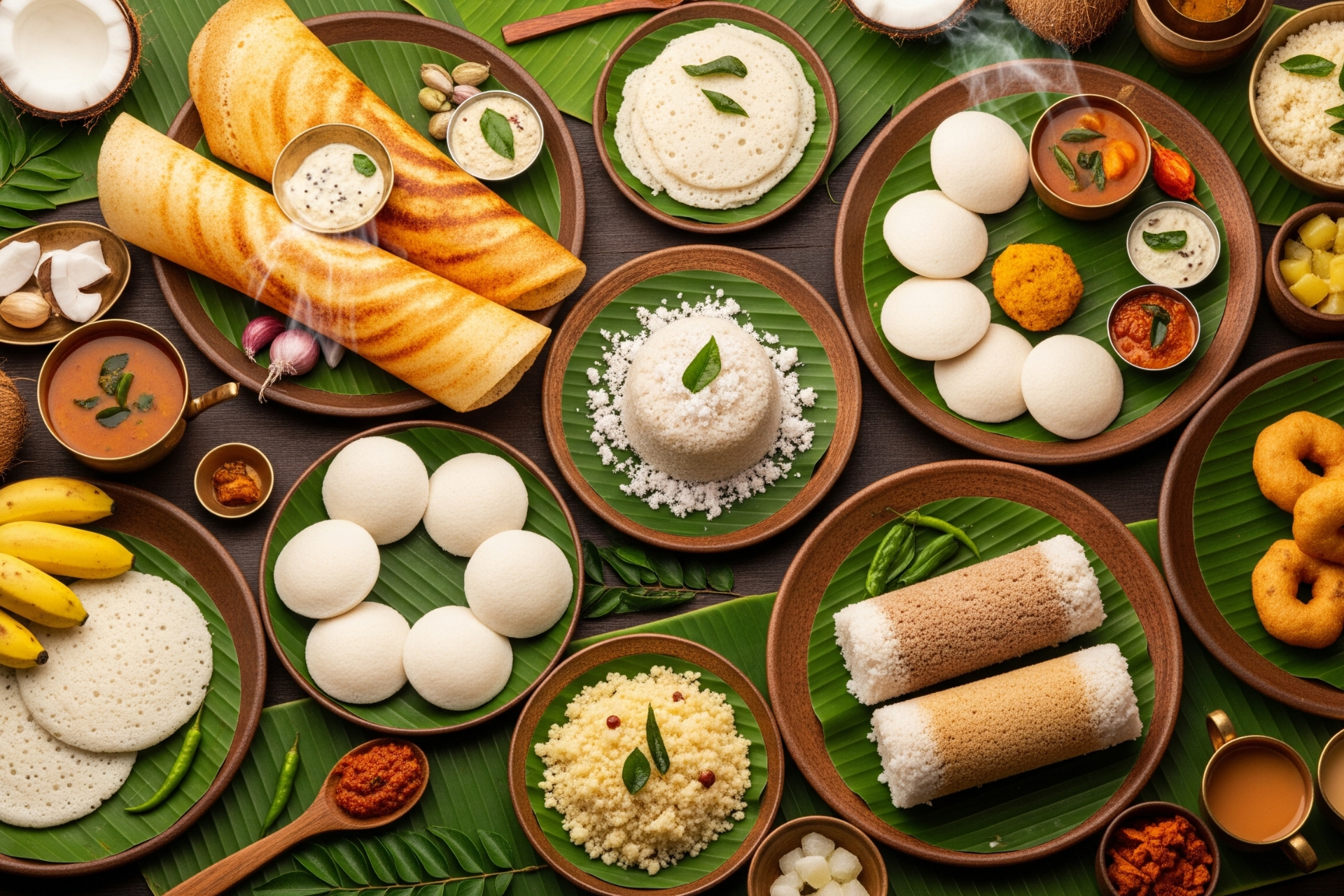
- India: Idli, dosa, or poha depending on region.
- The U.S.: Pancakes, bacon, eggs—or cereal with milk.
Even today, what counts as “breakfast” widely varies. In many farming parts of India and Kerala, early meals include rice or millet preparations, not toast or cereal.
Is Breakfast Truly Important? Modern Science Says… Yes—but conditionally.
The blanket rule “breakfast is the most important meal” may not apply to everyone.
- For Children and Students: Breakfast improves concentration, mood, and learning ability.
- For Manual Workers or Athletes: Breakfast provides essential energy.
- For Sedentary Adults: Intermittent fasting (skipping breakfast) can aid in weight control and improve metabolic health.
- For Diabetics: A balanced breakfast helps regulate blood sugar through the day.
Sample Data:
A Harvard study of 26,902 men showed that skipping breakfast increased the risk of heart disease by 27%. However, other studies on intermittent fasting showed positive effects on insulin sensitivity and weight loss in overweight individuals. So, context matters greatly.
What Should a Healthy Breakfast Include?
According to nutritionists:
- Complex Carbohydrates: Oats, whole grain bread, millet.
- Protein: Eggs, legumes, curd, tofu.
- Healthy Fats: Nuts, seeds, avocado.
- Vitamins & Minerals: Fruits, vegetables.
- Hydration: Water, herbal teas—not just coffee or juice.
Highly processed cereals, sugary foods, and deep-fried items (like store-bought doughnuts) spike blood sugar and energy but cause crashes later.
Does It Change From Person to Person?
Yes. Age, profession, health status, activity levels, and cultural background shape breakfast needs.
- A farmer in Palakkad needs more calories early in the day than a software engineer in Bangalore.
- A diabetic needs low glycemic index foods.
- Elderly people benefit from easy-to-digest meals.
- Growing children need high protein and calcium.
Facts to Take Away:
✔ Breakfast wasn’t always beloved; it was once shunned, banned, or shameful.
✔ Modern life and science suggest that breakfast helps most people—but not necessarily all.
✔ Quality matters more than timing: a well-balanced, wholesome breakfast is superior to sugary or fried foods.
✔ Your own body, lifestyle, and work pattern should guide your breakfast habits—not historical myths or advertising slogans.
Conclusion: To Eat or Not to Eat?
Breakfast is no longer a moral issue or a sign of poverty—but a flexible meal whose importance depends on you. Listen to your body. If you wake hungry—eat well and wisely. If you practice fasting, ensure your later meals nourish you enough.
One thing is sure: history’s confusion over breakfast has finally settled into freedom of choice.