
Agriculture doesn’t just produce food—it shapes entire ecosystems. Conventional farming often disrupts natural balances, leading to issues like soil degradation, water pollution, and biodiversity loss. In contrast, organic farming practices work in harmony with nature, making it a key player in ecological conservation.
Promoting Soil Health
Healthy soil is the foundation of any ecosystem. Organic farming boosts soil health by:
- Avoiding synthetic fertilizers
- Using compost and green manure
- Practicing crop rotation and intercropping
This leads to improved soil structure, water retention, and microbial activity.
Enhancing Biodiversity
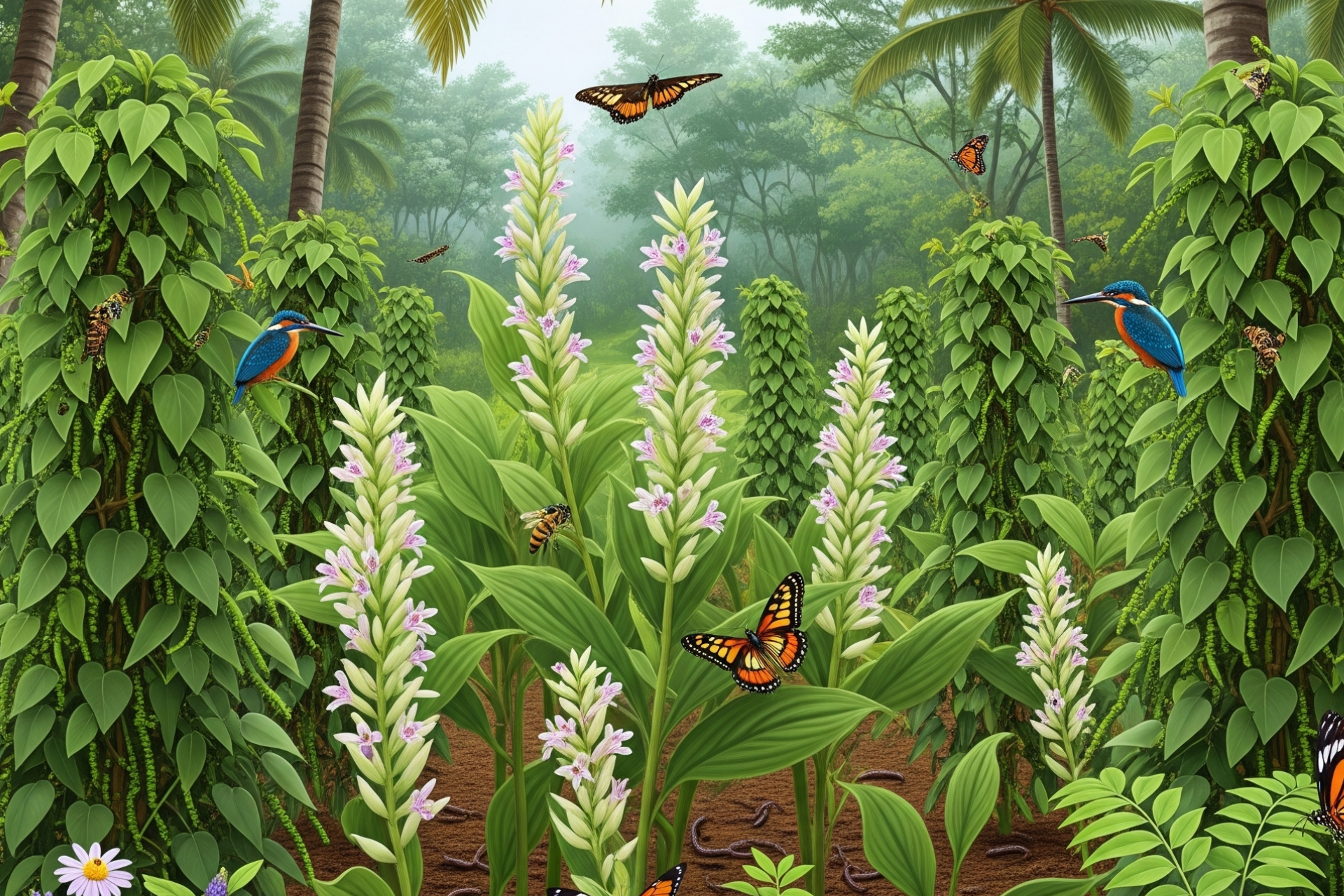
Organic farms support a wider variety of plants, animals, and microorganisms. This biodiversity:
- Improves pest control through natural predators
- Enhances pollination
- Increases resilience against climate change
Protecting Water Resources
Conventional farming often leads to chemical runoff that contaminates water bodies. Organic farming helps by:
- Eliminating synthetic pesticides and fertilizers
- Using natural pest control methods
- Building buffer zones and natural filtration areas
Climate Regulation
Organic farming practices help mitigate climate change by:
- Reducing greenhouse gas emissions
- Enhancing carbon sequestration in soils
- Promoting agroforestry and perennial crops
Sustainable Livestock Management
Organic animal husbandry promotes:
- Free-range systems
- Natural diets
- Reduced methane emissions through rotational grazing
These practices support both animal welfare and environmental health.
Reduced Pollution
By avoiding synthetic inputs and promoting recycling within the farm system, organic farming reduces:
- Air and soil contamination
- Eutrophication of water bodies
- Harmful residues in the food chain
Resilience to Climate Extremes
Organic systems are often better able to withstand droughts, floods, and pests, thanks to:
- Greater biodiversity
- Healthy, moisture-retaining soils
- Stronger ecological balance
Conclusion
Organic farming is more than just a method of producing food—it’s a holistic approach that sustains the entire ecosystem. By fostering biodiversity, protecting resources, and building resilience, organic agriculture is vital for a healthy planet and future generations